
Welcome to The Animal Doctor
Providing quality treatment for dogs, cats, ferrets, rabbits, guinea pigs, and other small mammals in Cary, IL, and surrounding areas since 1996.


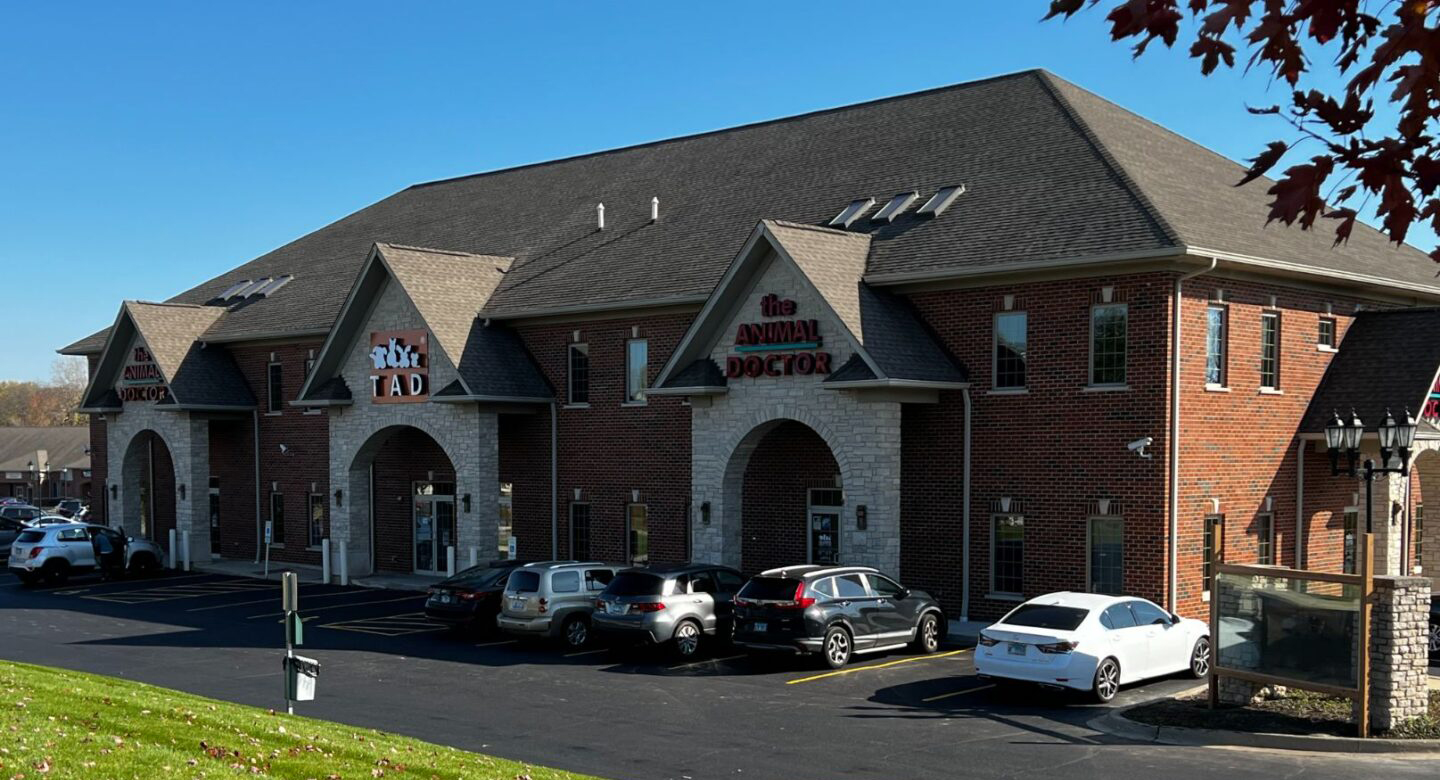
About The Animal Doctor
Since 1996, The Animal Doctor has been dedicated to delivering exceptional veterinary care for your beloved pets. Our team of expert veterinarians specializes in caring for a variety of small animals, including dogs, cats, ferrets, rabbits, guinea pigs, and more. Join our passionate community of pet lovers today and experience the difference in our personalized care for your furry friends.
Comprehensive Veterinary Services in Cary, IL
At The Animal Doctor, we offer a comprehensive range of veterinary services designed to provide the best care for your pets. Our modern facility is equipped with advanced medical technology, and our experienced team is dedicated to ensuring the health and well-being of your furry family members.

Small Animal & Exotic Medicine
We specialize in small animal medicine and provide modern therapies to keep your pets healthy and happy.

Comprehensive Soft-Tissue and Orthopedic Surgeries
This includes surgical procedures for Cruciate ligament injuries, fracture repairs, and comprehensive rehabilitation and physical therapy.

In-House Laboratory
Our in-house laboratory at The Animal Doctor provides quick, accurate tests, assuring swift and successful treatment for your pet.

Imaging
The Animal Doctor provides CT scans, digital radiography, and ultrasonography for accurate and complete diagnostics and therapy.